Healthy eating for babies
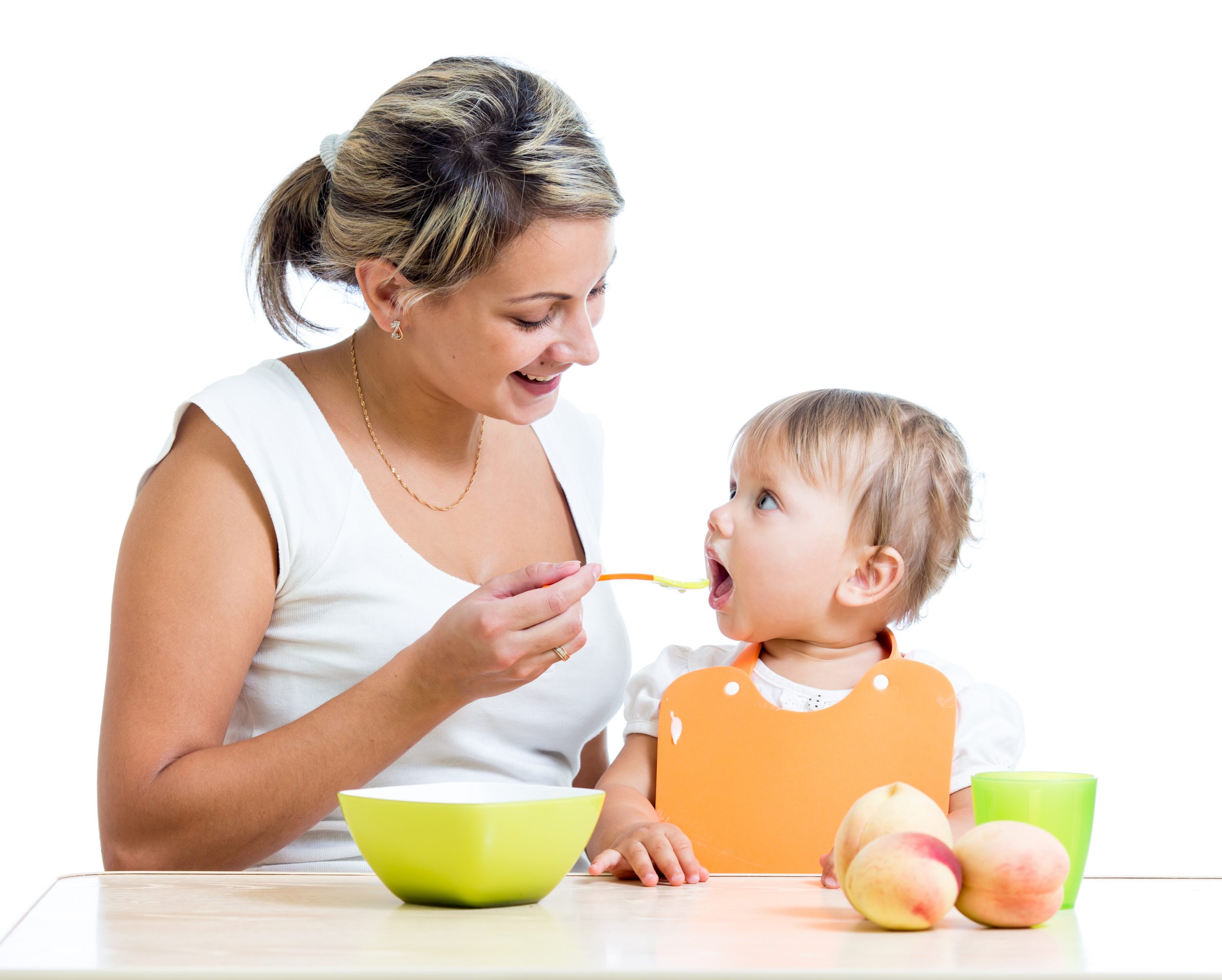
In the first few months of life, breast milk is the best food. If breastfeeding is not possible or only partially possible, give your child infant formula. From the 6th month of life, breast milk alone is no longer enough for the baby. It then needs additional food. This is also called "complementary food". This food is given as porridge. It depends on how your baby develops. But you should start complementary foods from the 17th week of life at the earliest. At the latest, your baby should receive complementary food from the 26th week of life. A few small spoonfuls of porridge are enough to start with. Give your baby 2 to 3 teaspoons. It must ...
Introducing solid foods
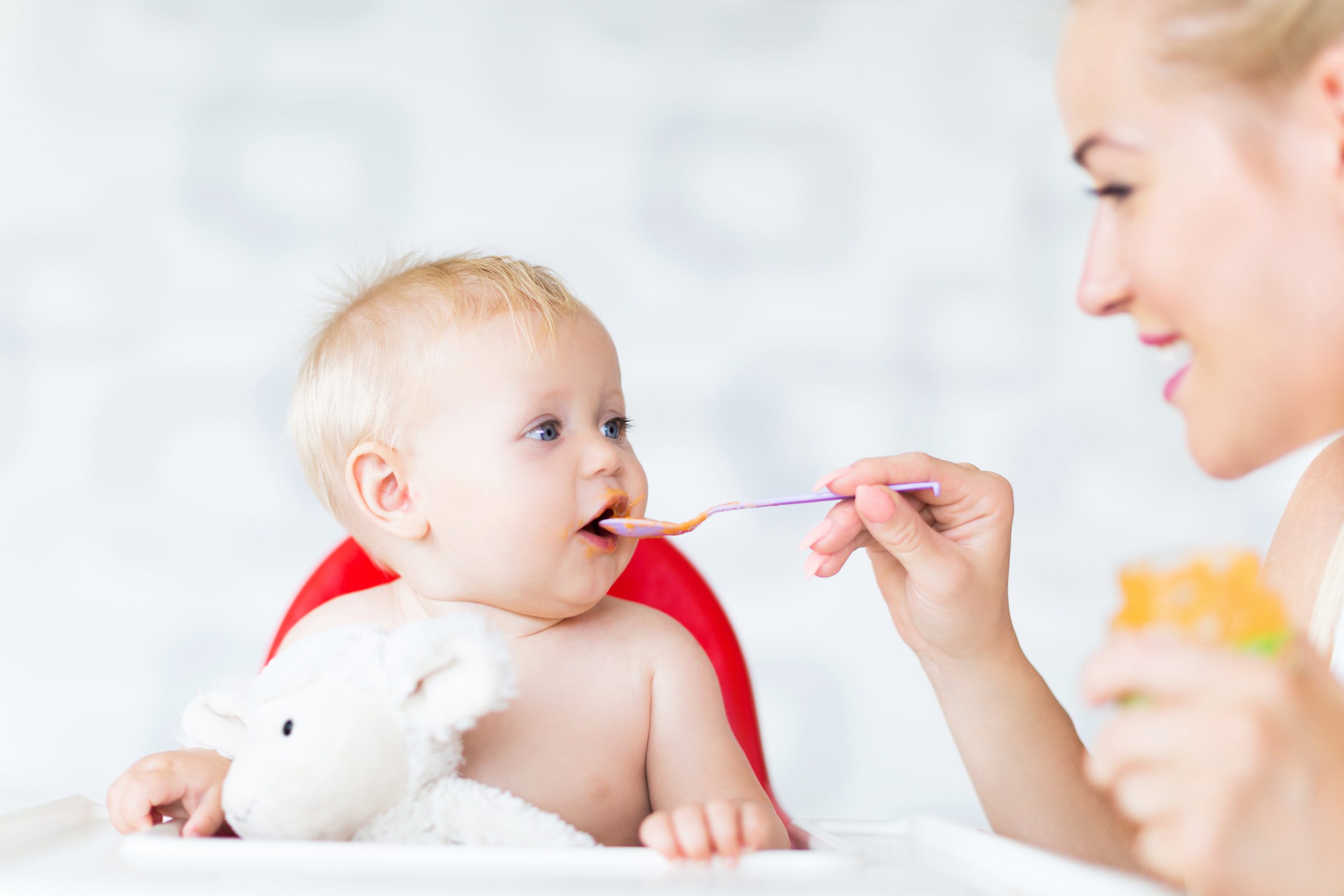
Von fein pürierten Lebensmitteln zum Essen mit der Familie. So kann es gelingen. Muttermilch ist die beste Ernährung für Babys. Sie hat viele Vorteile: Sie ist praktisch, sie hat immer die richtige Temperatur und sie ist immer mit dabei. Im 1. Lebensjahr bekommen Babys ihre Nährstoffe fast nur über die Muttermilch. Wenn Sie nicht stillen können, gibt es spezielle Baby-Nahrung, in der diese Nährstoffe auch sind. Diese Nahrung heißt auch „Pre-Nahrung“ oder Säuglings-Anfangsnahrung. Ab dem 6. Lebensmonat reicht dem Baby Muttermilch allein nicht mehr. Es braucht mehr Nährstoffe und mehr Energie. Jetzt müssen Sie Ihr Baby ...
First drinks
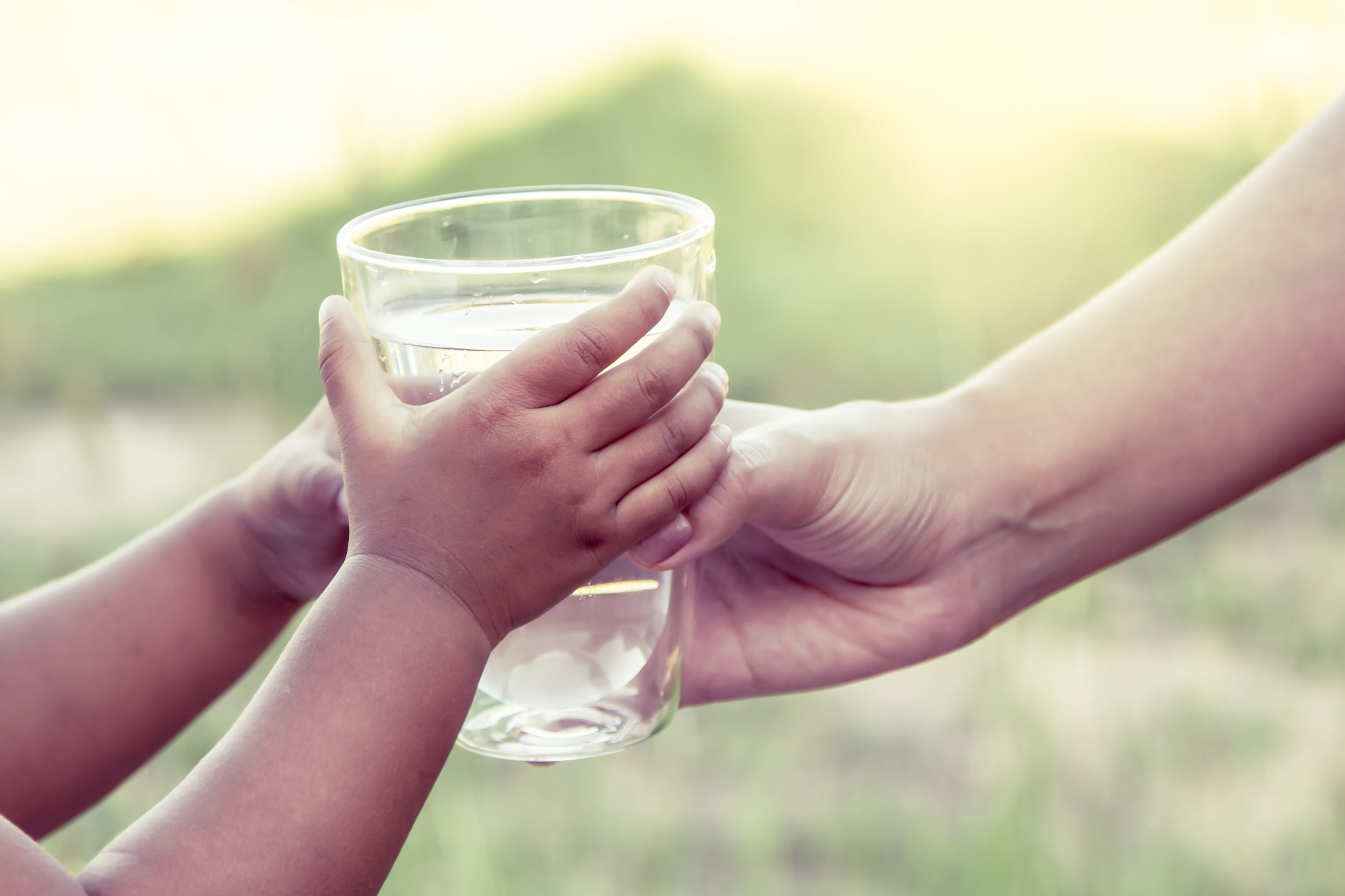
If you are only breastfeeding your child, it does not normally need any additional drinks. If you give your child complementary foods, you can also offer additional liquids. Complementary food is food that the baby gets in addition to breast milk. Your child will need drinks at the latest when it is eating the same food as the other family members. This is from around 10 months. Offer your baby liquids. But it should decide for itself how much it wants to drink. Water is best. It is better not to give your baby any drinks with sugar or juices. He doesn't need them. Under no circumstances should your baby be given drinks with ...
A child’s development
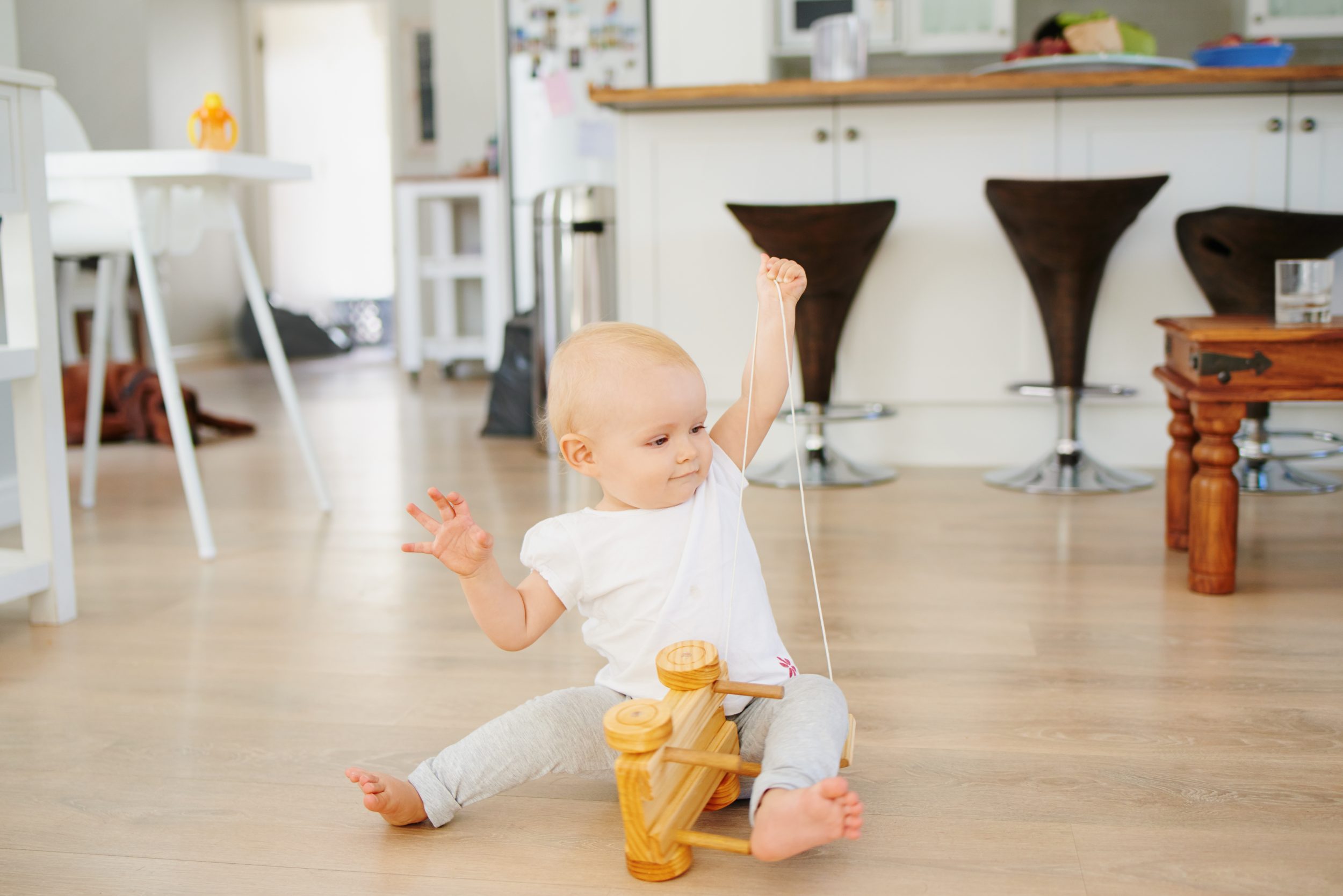
Don't forget: Every child is different. This text is only intended to provide an overview. Physical skills You need to support your baby's head. Eating skills The baby knows how to suck, swallow and breathe correctly when breastfeeding or drinking from a bottle. A baby gives these signals when it is hungry or full The baby cries when it is hungry. The baby looks at the carer and is amazed. It opens its mouth during feeding. The baby gives clear signs when it wants to continue drinking. When the baby is full, it refuses the nipple or the bottle. It listens ...
Buying baby food in jars
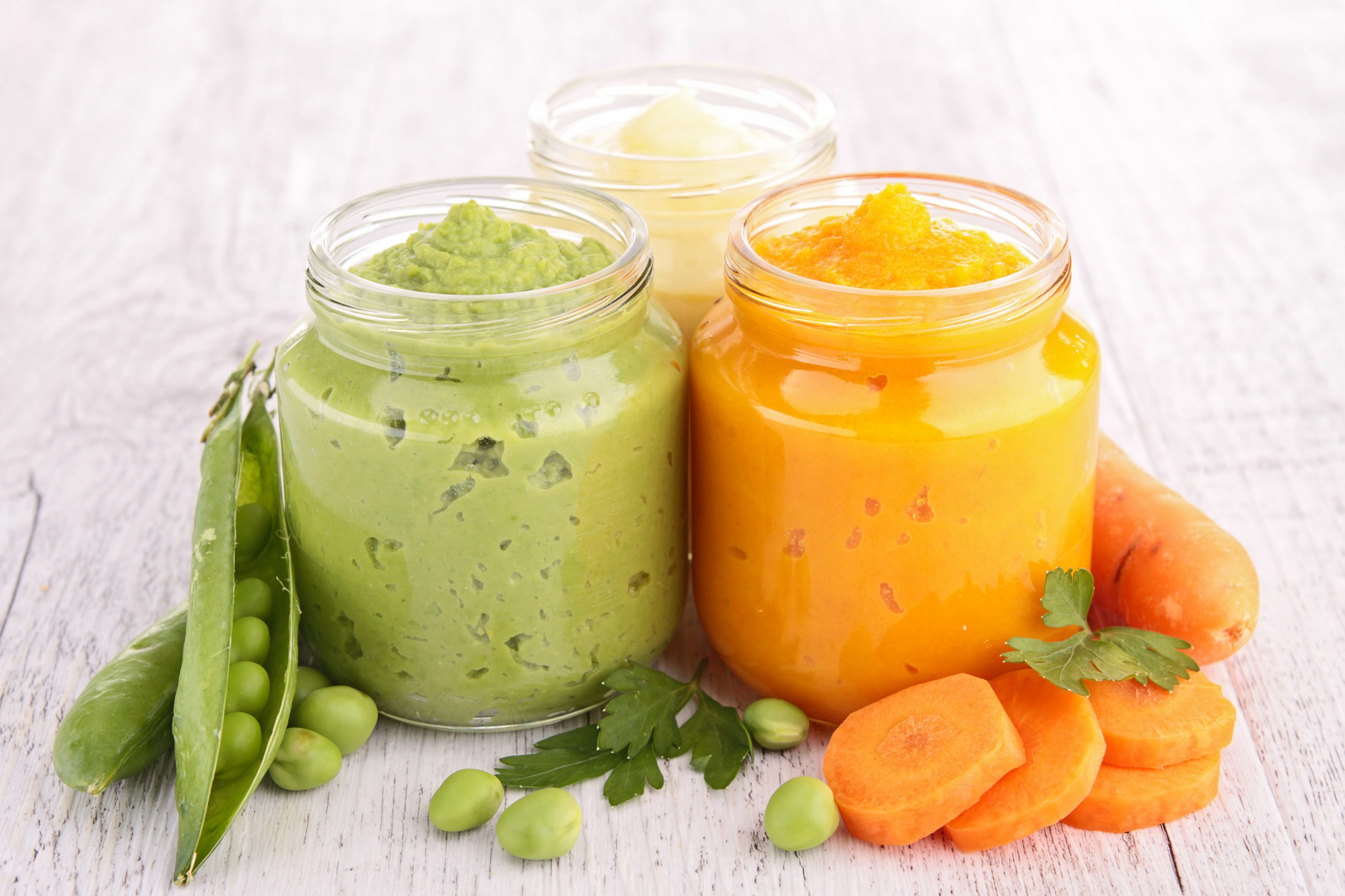
You can cook the porridge for your baby yourself or buy it ready-made. Do what works best for you and what suits your day. Both options have advantages and disadvantages. Recipes for porridge You can find a video here. In the video you will learn what you should look out for when buying baby food in jars. "Checklist of complementary food products" folderThe "Checklist of complementary food products" folder is intended to support the people who buy food for the baby. These are usually parents or close relatives. The folder contains tips on which products are suitable for complementary foods. In the folder you will find ...
What does my baby need?
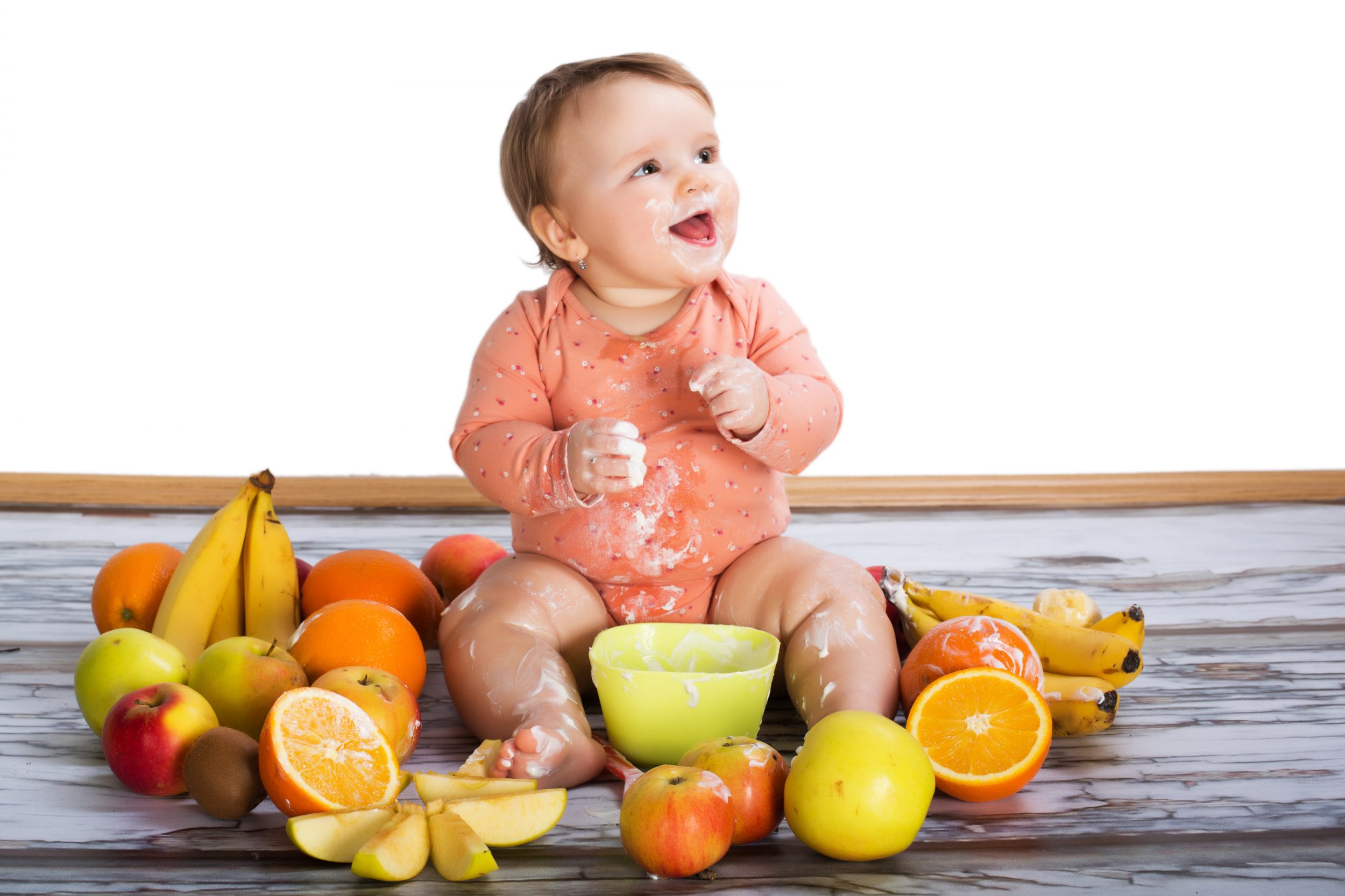
You should give your child new foods gradually. This will make it easier for you to recognise whether your child cannot tolerate something. But offer your child lots of different foods. This way, your child will get all the important nutrients. "Which complementary food should we give the baby first?" Complementary food is food that the baby gets in addition to breast milk. Don't worry, you can't go wrong. It is not important in which order you give your child food. But it is important that your child gets enough iron and iodine for its development. Vitamin C helps the body to absorb iron from a meal. Give ...